

Balancing of Synchronous Condenser Rotor
Vibration Assessment and Measurement
AJSS performed detailed vibration measurements using vibration probes and an optical tachometer to assess the rotor's performance before and after balancing.
Balancing Solution Calculation
Based on readings and customer specifications, AJSS calculated the optimal balancing solution and installed balance weights at the correct locations.
Collaborative Procedure Development
AJSS worked closely with customer engineers to develop the procedure for balancing, ensuring the solution met the customer’s requirements.
Heat Soak and Final Testing
After the balancing weights were installed, AJSS conducted a full heat soak with the rotor connected to the electricity grid to take final readings and ensure the system's stability.
Grid Synchronisation
AJSS ensured that the rotor was correctly synchronised to the electricity grid, confirming its readiness for continuous operation.




Brief
- Customer Industry: Energy technology, solutions, and services provider
- Project Duration: 2 visits (March and May 2022)
- Team Involved: 4 AJSS Engineers (Craig Boston, Beau Wignall, Bob Graf, Justin Roth)
- Vibration Reduction: Non-Drive End Vibration Reduction: 92.5%; Drive End Vibration Reduction: 78.8%
- Vibration Specification Achieved: Less than 2 mm/sec RMS (Customer's requirement)
- Readings Taken: Multiple vibration probes and an optical tachometer used for detailed assessment
- Outcome: Successful synchronisation of the rotor to the electricity grid after balancing
Situation
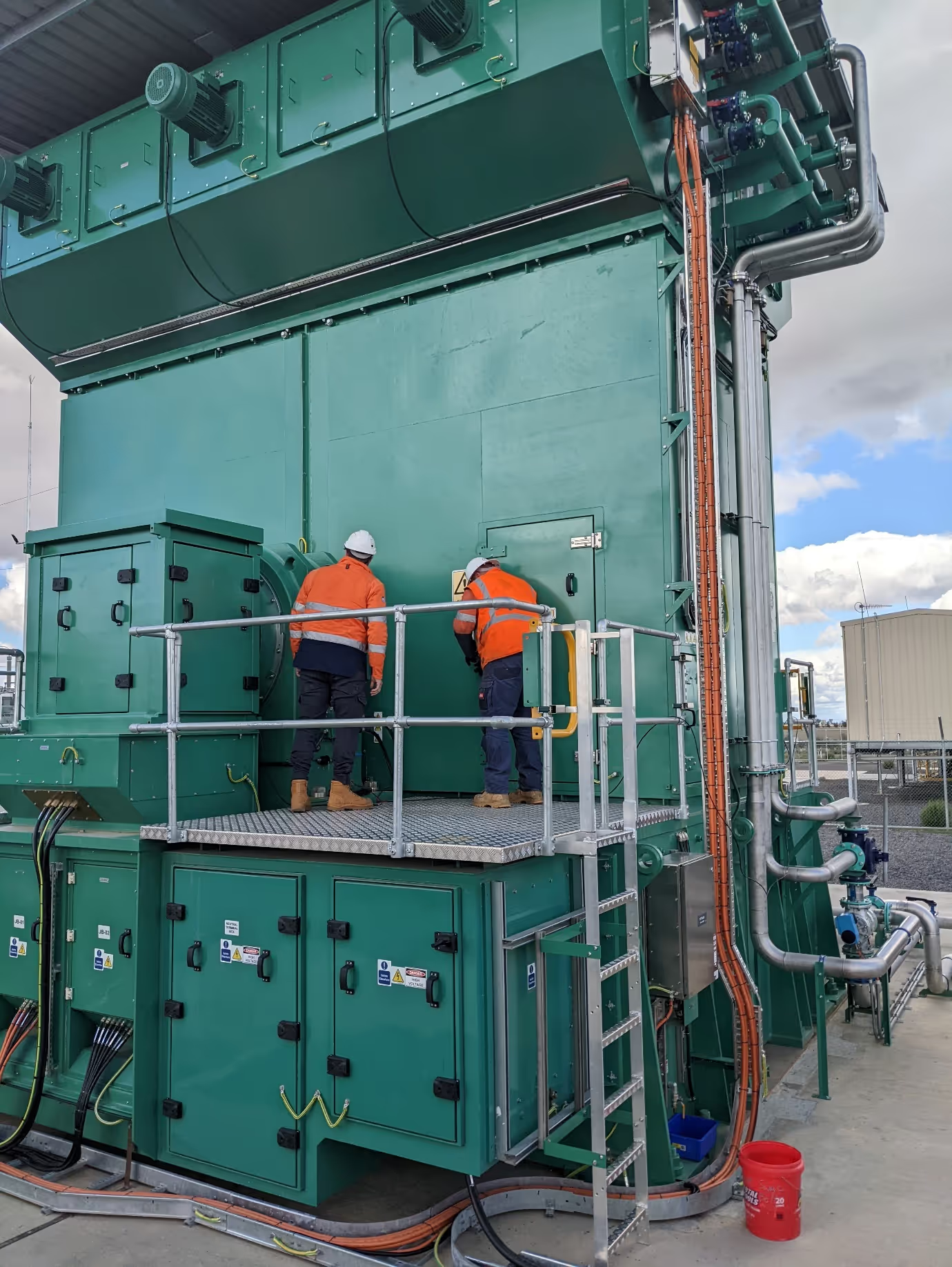
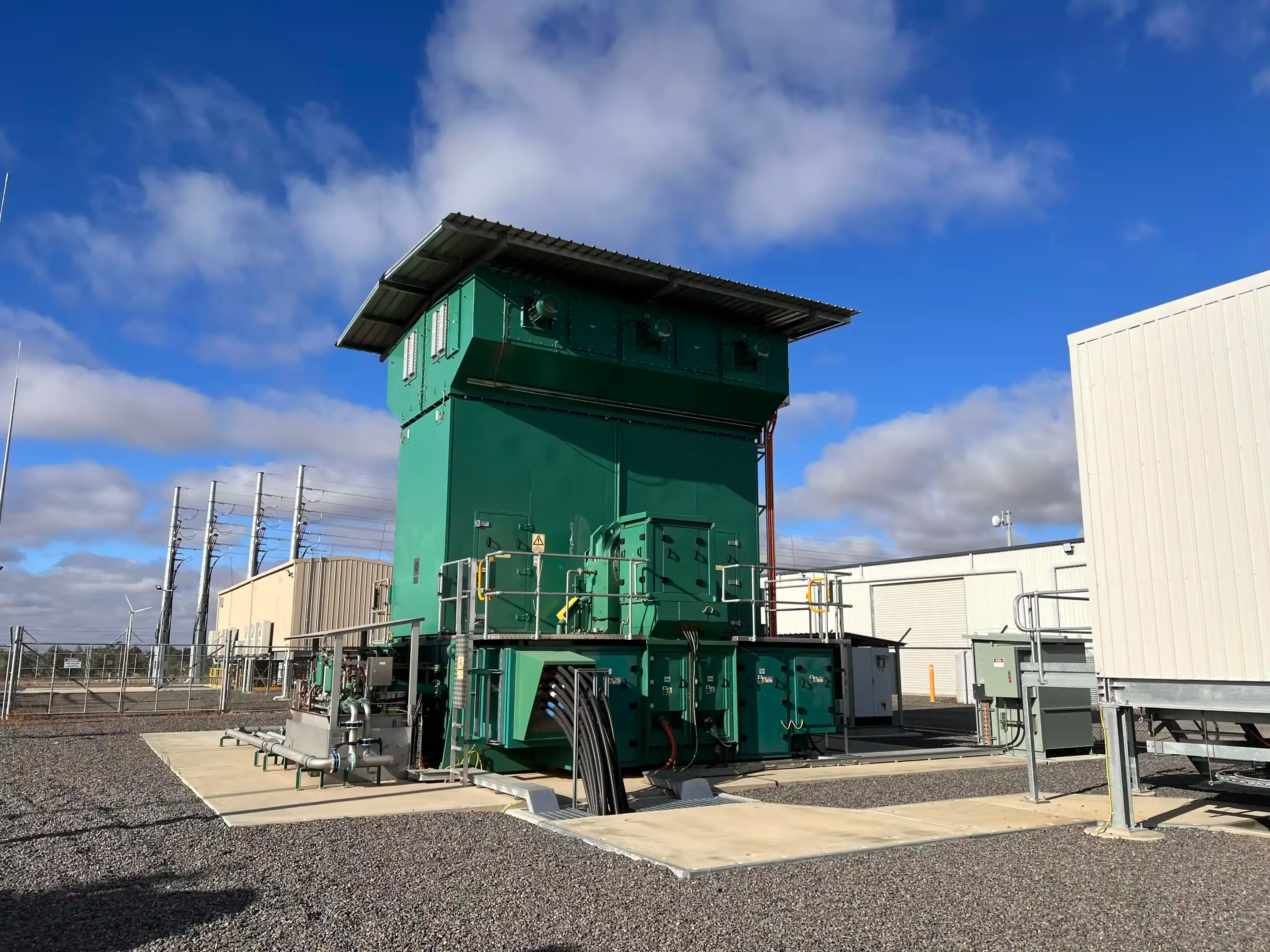
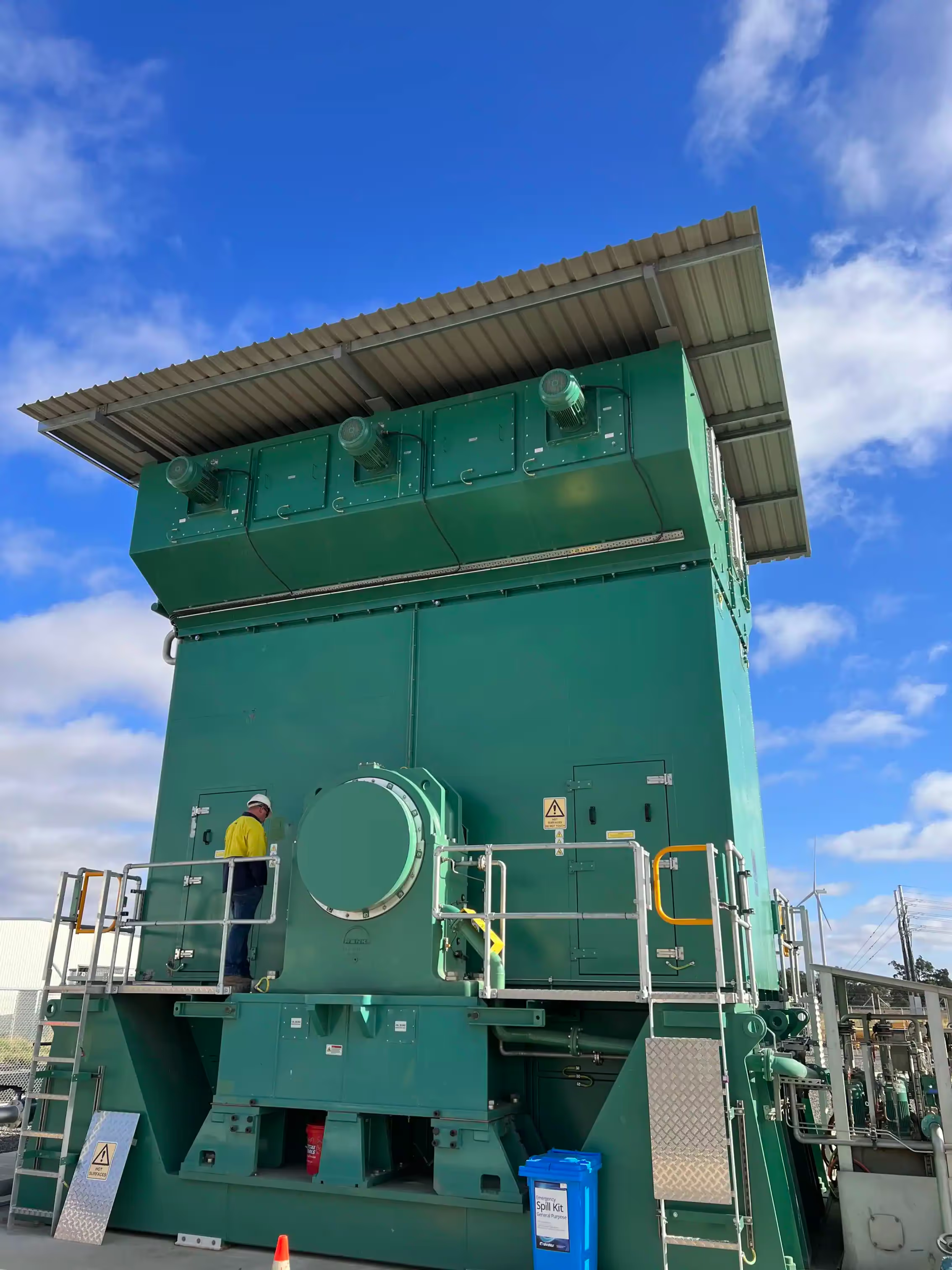
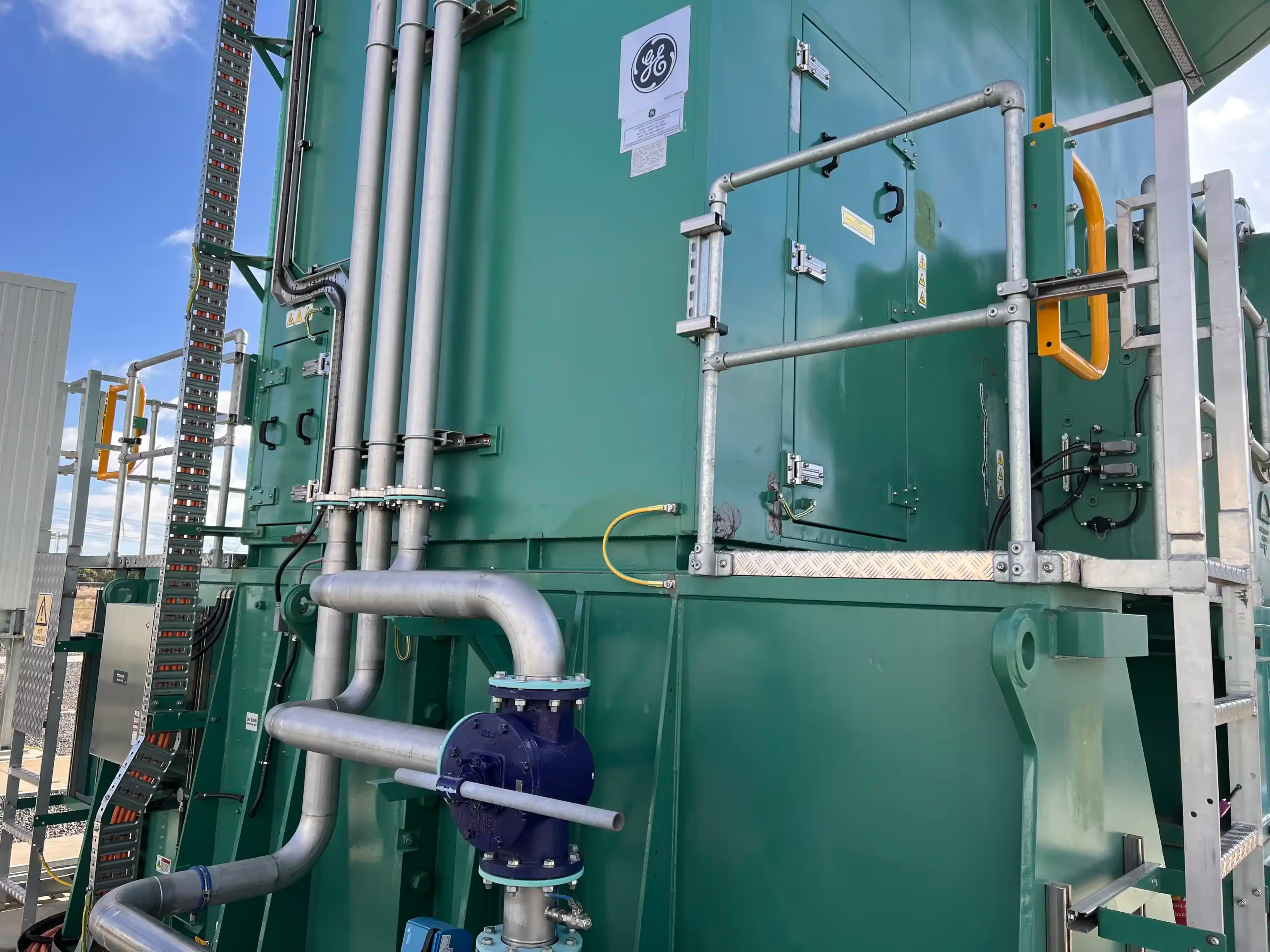
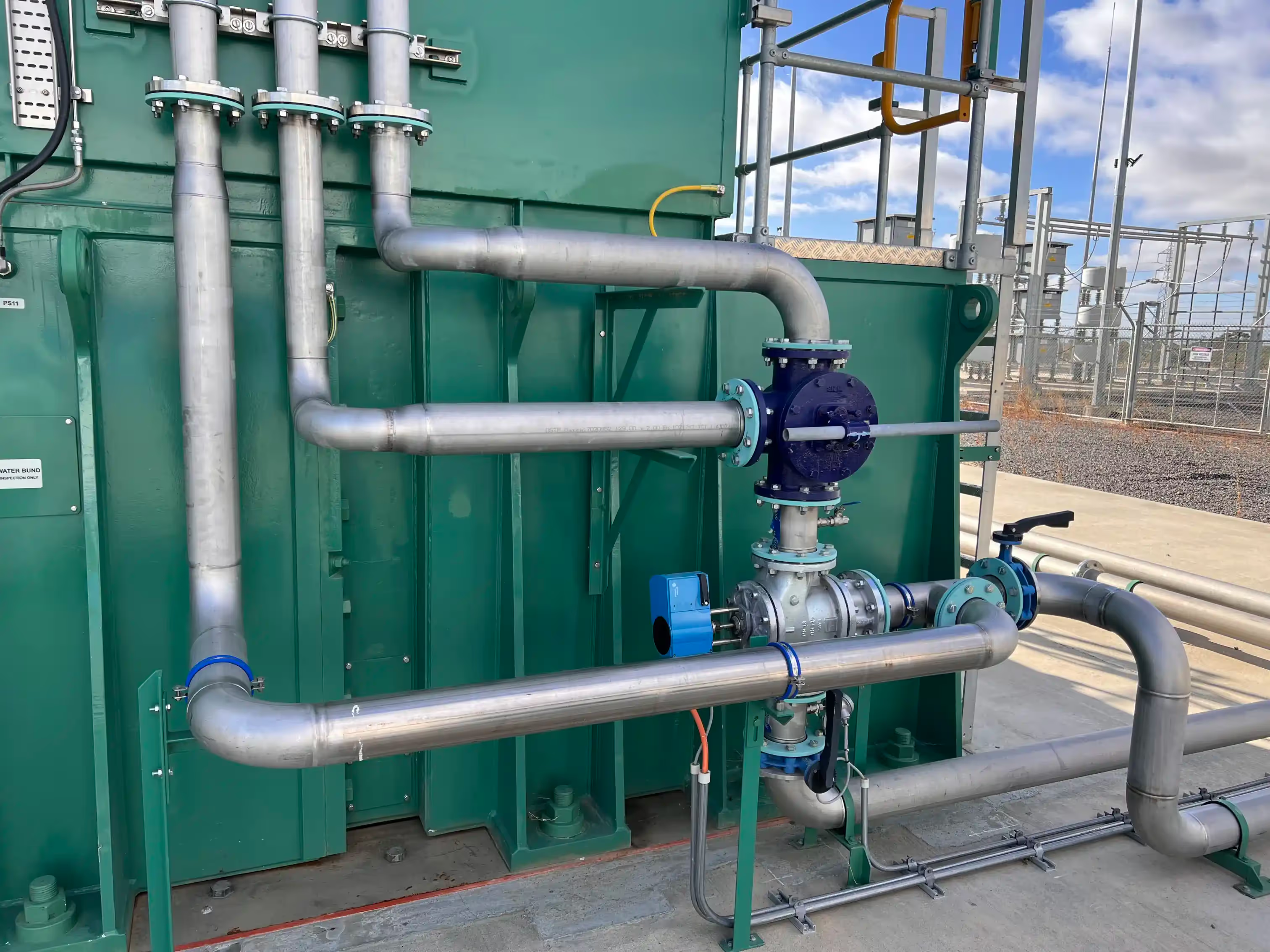
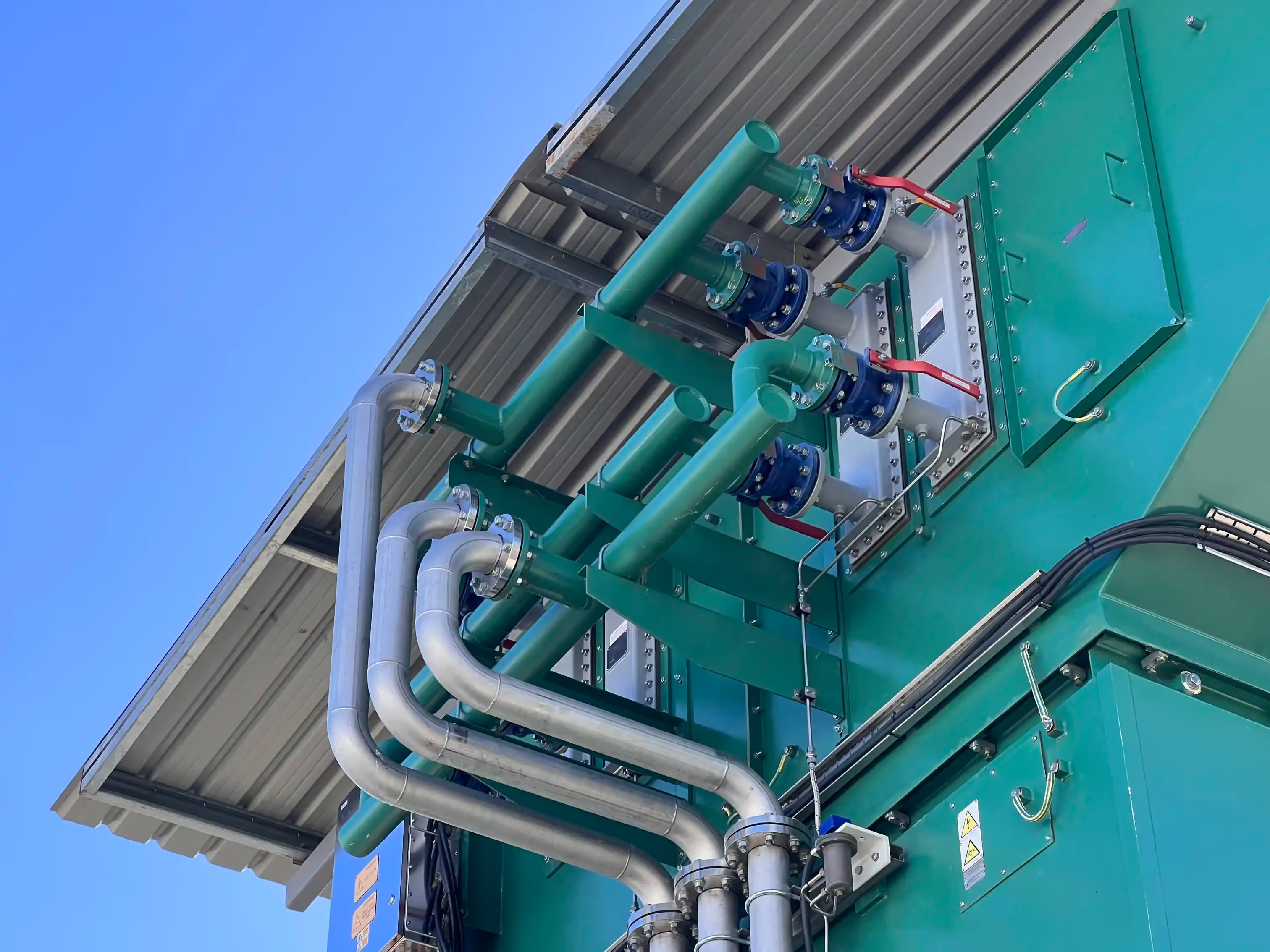
AJSS was contracted to balance a Synchronous Condenser Rotor located at a wind farm in regional Victoria. The project was completed in two visits by our Field Service and Project Engineers in March and May of 2022.
Task
The Synchronous Condenser Rotor needed to be balanced to the vibrational requirements of the customer. It also needed to be synchronised to the grid. The balancing of the Rotor is vital to ensuring its continuous operation and synchronisation to the electricity grid.
Action
Balance weights that were previously installed by the customer were removed to enable baseline readings to be taken. An optical tachometer and multiple vibration probes were mounted to the Synchronous Condenser Rotor to take readings. AJSS consulted with Customer Engineers to confirm a procedure for balancing the Rotor. Using this procedure a balance solution was calculated, and balancing weights were attached to the specified locations. After a full heat soak with the Synchronous Condenser Rotor connected to the electricity grid, final readings were taken that confirmed the Rotor’s operation matched the calculated solution.
Result
The project achieved its intended outcomes. Our team achieved a 92.5% and 78.8% reduction in vibration on the Non-Drive End and Drive End respectively. As a result, the Synchronous Condenser Rotor was balanced to within the customer’s vibration specification of less than 2 mm/sec RMS. Following this procedure, the Synchronous Condenser Rotor was synchronised to the electricity grid.